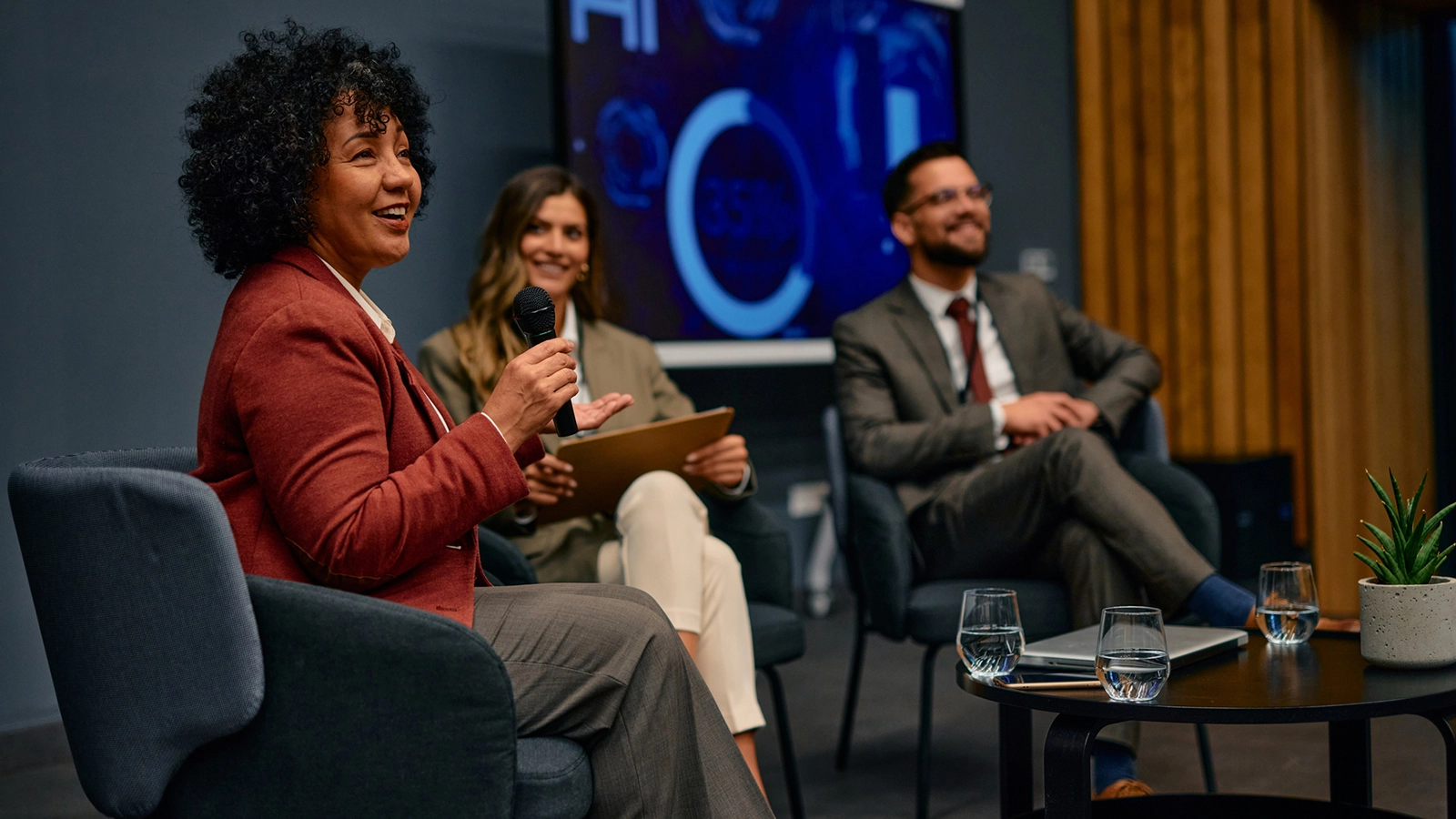
The acceptance email is worth celebrating, but maximizing a speaking engagement requires the most important work to begin immediately.
A conference speaking opportunity can put an executive in front of customers, prospects, partners, investors, analysts, journalists and future event organizers at the same time. But the 30 or 40 minutes on stage are only part of the value. The strongest programs use the appearance to advance relationships, create useful content, earn visibility and generate additional opportunities before and after the event.
We have seen excellent speakers deliver smart presentations to half-filled rooms because promotion began too late. We have also seen a modest panel generate months of media conversations, customer follow-up and contributed content because the team treated it as an integrated communications program.
Once the invitation arrives, the PR and marketing teams should shift quickly from winning the opportunity to maximizing it.
Decide What the Speaking Opportunity Must Accomplish
Before building the presentation or announcing the appearance, return to the business objective. The goals that made the conference attractive should now determine how the company invests its time and budget.
Success may mean strengthening the executive’s authority on an emerging issue, meeting a small group of priority customers, creating relationships with analysts, generating media conversations or opening the door to future speaking invitations. It may also mean producing high-quality content that can support the communications program for months.
Agree on a limited set of outcomes and assign responsibility for each one. Depending on the event, those outcomes may include:
- Attendance by priority customers, prospects or partners
- Meetings with journalists, analysts or investors
- Qualified business-development conversations
- Content captured for future communications
- Engagement with the executive’s social content
- Invitations to speak at other relevant events
A crowded room is encouraging, but attendance alone does not establish business value. The quality of the audience and the actions that follow matter more.
Build the Promotion Plan With the Organizer
The conference organizer should be the PR team’s first call. Ask what promotional support the event provides, what it expects from speakers and which rules apply to the use of its name, logo, attendee information, presentation materials and recordings.
Some organizers will provide social graphics, newsletter placements, discount codes, podcast interviews or opportunities to contribute an article to the association’s publication. Others have strict limits on when speakers may promote their sessions or announce related news. Understanding those requirements early prevents the team from developing materials it cannot use.
Work backward from the conference date and coordinate the company’s blog, email, social and direct outreach. A general social post may create awareness, but personal invitations are more likely to put the right people in the room. Ask the speaker, sales team and senior leadership to identify the customers, prospects, partners and other contacts who would genuinely benefit from the session, then invite them individually.
If the conference offers complimentary or discounted passes for a speaker’s guests, use them strategically. Ten relevant decision-makers are more valuable than 100 people who have little connection to the business.
Give Media and Analysts a Reason to Meet
A place on the agenda is rarely news on its own. Journalists and analysts need a clear reason to spend limited conference time with the speaker.
That reason could be new research, a meaningful company announcement, a customer case study, a demonstration or a defensible point of view on an issue the audience is already discussing. If the company has genuine news scheduled near the conference, the team can consider pre-briefings under embargo or timing the announcement to support the event. The news calendar and the conference’s media policies should drive that decision. Do not manufacture a weak announcement simply to create activity around the presentation.
Ask the organizer whether it provides a list of registered journalists, operates a press room or facilitates media meetings. Some events will not share attendee information, so the PR team should also research which reporters have covered the conference or the relevant topic in the past.
Approach those journalists individually. Read their recent work, explain why the speaker’s perspective is relevant and propose a specific conversation. A mass email to every person on a conference media list is unlikely to help and may damage relationships.
The same principle applies to analysts. Review their current research priorities and schedule a briefing only when the executive has information or perspective that advances the analyst’s work.
Prepare the Speaker for More Than the Presentation
Promotion cannot rescue a mediocre session. The presentation needs to deliver on the promise that earned the invitation.
Build the session around a few ideas the audience can remember and use. Strong presentations usually combine a clear point of view with supporting evidence, customer experience and lessons learned. They do not spend the first 10 minutes on company history or turn the stage into a product demonstration unless the format specifically calls for it.
Rehearse the presentation aloud and under realistic time constraints. Test every demonstration, confirm how audience interaction will work and prepare for difficult questions. The speaker should know what can be discussed, what remains confidential and how to respond if a question moves into legal, competitive or other sensitive territory.
Give the executive a concise briefing document that includes the audience profile, conference theme, run of show, key contacts, media and analyst meetings, customer commitments, approved messages and likely questions. Confirm travel, technology and presentation deadlines well before the speaker leaves for the event. Bring backup copies of the presentation and any essential video or demonstration materials.
If a customer or partner is presenting with the executive, agree on roles early. Each speaker should contribute a distinct perspective, understand which results may be shared and know who will answer which types of questions.
Capture the Right Content During the Event
A conference presentation can become one of the richest sources of content in an executive thought leadership program, but the team needs to plan the capture before the speaker takes the stage.
First, confirm the organizer’s recording and photography policies. If recording is permitted, prioritize clean audio and a stable image. A short, well-produced clip will usually be more useful than 40 minutes of distant video with poor sound. Capture photographs of the speaker, audience interaction and any customer or partner participation and secure the necessary permissions before publishing them.
Assign someone to document the strongest quotes, audience questions and points that generate a visible response. Those details reveal what the audience found useful and often provide better material for future content than the prepared slides alone.
Live social coverage should be selective. Share the strongest insights, credit the conference and other speakers and respond to relevant discussion. Posting every sentence creates volume, not value.
Follow Up While the Conversation is Still Fresh
The first few days after the conference are critical. Thank the organizer, respond to questions the speaker could not address on stage and follow up with the customers, prospects, journalists and analysts the team met. Record commitments and assign owners before people return to their regular priorities.
Then begin extending the content. Depending on the subject and the rights granted by the organizer, the presentation may become:
- A company blog or a series of shorter articles
- A contributed article for an industry publication
- Short-form video and executive social posts
- A customer email or sales follow-up resource
- An executive brief, webinar or podcast discussion
- A stronger proposal for another conference
Do not publish the same transcript in six places. Adapt the idea to each audience and channel. A contributed article needs a clear argument. A LinkedIn post needs one sharp observation. A sales resource should answer a question customers actually ask.
AI-assisted transcription and editing tools can help the team identify themes, summarize audience questions and develop initial content outlines. They still require human review. Confirm every quote and fact, protect confidential information and use only tools approved by the company and any participating customers.
Measure the Full Value of the Speaking Engagement
Review the results against the goals established at the beginning. Track the quality of the audience, meetings completed, follow-up conversations, content produced, media or analyst interest, social engagement, qualified leads and invitations to speak again.
Some value will emerge slowly. A prospect may reference the presentation months later, or an organizer may recommend the speaker to another event. Capture those outcomes when they occur rather than declaring the engagement a success or failure based only on the number of people in the room.
Ask the organizer for candid feedback and document what the team would change. Which examples generated questions? Where did the speaker run long? Which promotional channels brought the right attendees? Use that information to improve the next presentation and the next proposal.
Turn One Invitation Into the Next
Conference organizers remember speakers who meet deadlines, prepare carefully, attract the right audience and make the event team’s job easier. They also remember speakers who arrive late, ignore format requirements or treat the session as a sales pitch.
Stay useful after the event. Share relevant research, offer thoughtful feedback and suggest future topics when the executive has something credible to contribute. The objective is not to ask for another invitation immediately. It is to build the kind of professional relationship that makes another invitation more likely.
A speaking acceptance is not the finish line. It is the center of a broader communications opportunity. When PR and marketing teams coordinate the presentation, promotion, relationships, content and follow-up, a single appearance can produce value long after the room has emptied.
UPRAISE helps organizations prepare executives for high-value speaking engagements, promote their appearances and extend their ideas across media relations, thought leadership and content programs. Contact us to make the most of your next conference speaking opportunity.